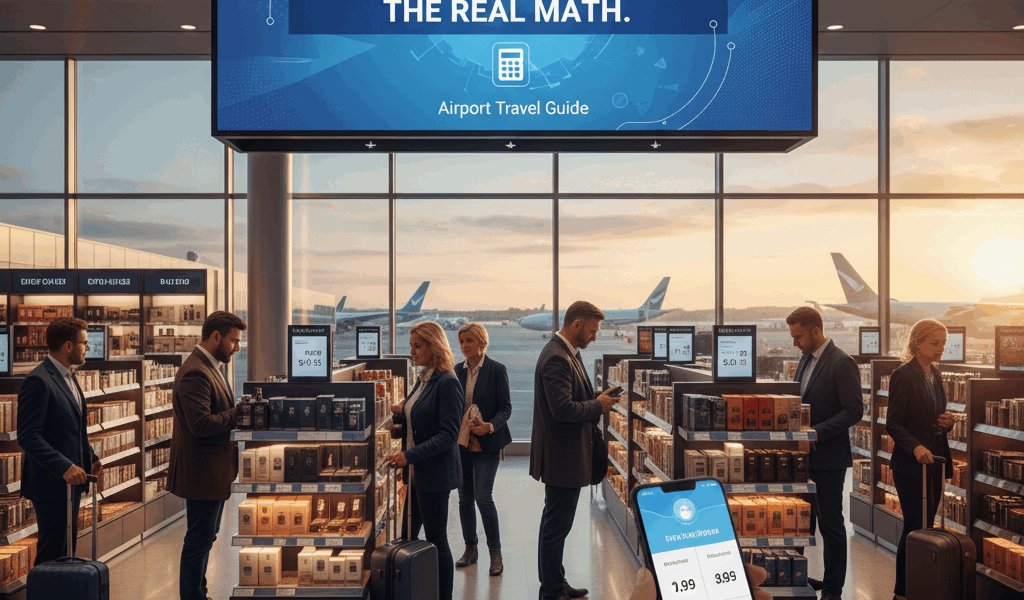
Duty free shopping sounds like guaranteed savings—tax-free purchases should cost less, right? The reality is more complicated. While genuine deals exist, many duty free prices match or exceed what you’d pay at home. Knowing how to evaluate airport shopping can help you spot actual bargains and avoid the traps.
How Duty Free Pricing Actually Works

Duty free means exempt from local taxes and import duties—not exempt from markup. Retailers still set their own prices, and without local competition, those prices can be whatever the market will bear. The captive audience of travelers often pays premium prices for convenience.
Tax savings vary dramatically by product category and country of origin. Alcohol and tobacco typically offer the best savings since they carry the highest domestic taxes. Electronics, cosmetics, and designer goods often show minimal or no savings compared to domestic retailers with sales and loyalty programs.
Categories Where You Actually Save
Alcohol: Spirits and wine genuinely cost less duty free in most cases. A bottle of whiskey that costs $50 at home might run $35-40 at the airport. The savings come from avoiding excise taxes that can add 30-50% to retail prices.
Tobacco: Similar story—excise taxes make cigarettes and cigars significantly cheaper duty free. However, import limits apply when returning home, so bulk buying may not work.
Local Specialties: Products from the country you’re leaving often cost less than importing them later. Scottish whisky in Edinburgh, Swiss chocolate in Zurich, or French perfume in Paris can offer legitimate savings.
Categories Where You Usually Don’t Save

Electronics: Laptops, phones, and cameras rarely cost less duty free. Online retailers and big box stores with price matching typically beat airport prices even before sales and credit card rewards.
Designer Fashion: Luxury brands maintain consistent global pricing strategies. That Gucci bag costs roughly the same whether you buy it duty free or at a domestic boutique.
Cosmetics and Skincare: Major brands coordinate pricing globally. While you might save the local sales tax, department store loyalty programs and credit card rewards often provide better overall value.
The Smart Shopper’s Strategy
Research prices before you fly. Screenshot prices from Amazon, Target, or specialty retailers for items you’re considering. Compare in the airport before purchasing. The few minutes of research can save significant money or confirm a genuine deal.
Check duty free prices online before arriving at the airport. Many duty free retailers publish their prices, allowing comparison shopping from home. This eliminates impulse buying based on assumed savings.
Consider the hassle factor. Carrying fragile bottles through connections, dealing with liquid restrictions, and managing bulky purchases adds stress to travel. Sometimes paying a few dollars more at home beats dealing with airport logistics.
Bottom Line on Airport Shopping
Duty free offers real savings on alcohol, tobacco, and local specialties. For everything else, do your homework before assuming you’re getting a deal. The convenience of airport shopping rarely translates to actual savings for mainstream products.


Stay in the loop
Get the latest airport guides world updates delivered to your inbox.