“`html
How to Request a Seat Change at the Airport
I’ve asked for seat changes at airports more times than I’d like to admit. Middle seats. Seats over the wing blocking the view. Rows directly behind the bathrooms where the smell hits different. Sometimes I get what I want. Sometimes I walk onto the plane defeated, wedged between two people who’ve already claimed the armrests. The difference between success and failure usually comes down to three things: timing, strategy, and understanding what airlines actually care about.
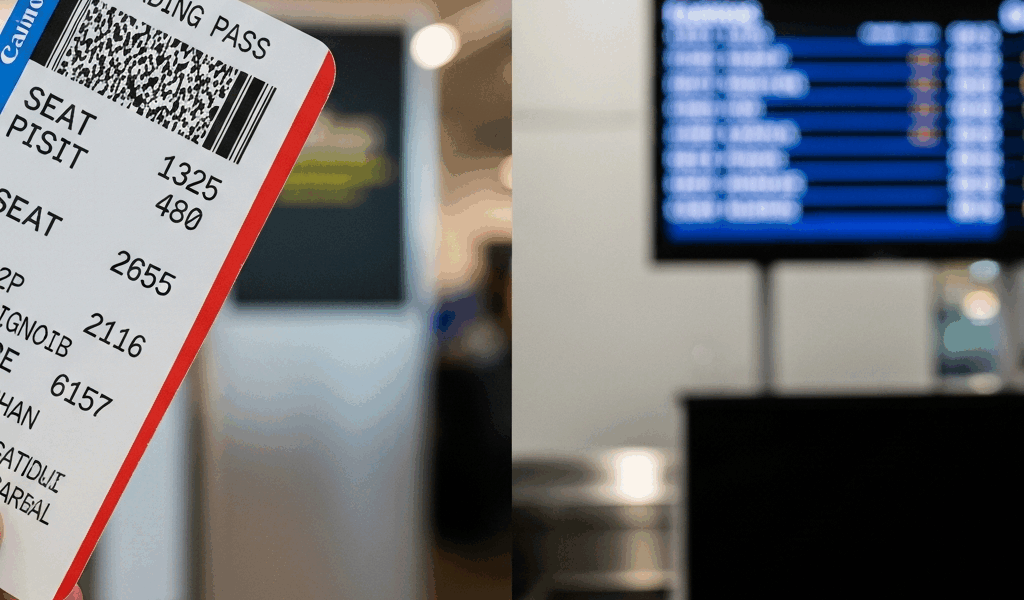
If you’re reading this because you just saw your assigned seat on your boarding pass and immediately thought “absolutely not,” you’re not alone. The good news? You have options — but they work differently depending on where you are in the airport journey and what’s actually broken about your seat.
When seat assignment matters most
Not every bad seat deserves the effort of fighting for a change. This matters because you’re going to burn political capital with gate agents, and you want to spend it wisely.
Middle seats suck. Full stop. They deserve aggressive pursuit. You have no window, no aisle, and you’re paying the same as someone who does. If you’re in a middle seat and the flight isn’t completely full, asking for an aisle or window is reasonable. The agent might actually have inventory.
Seats in the very back of the plane — especially the last few rows — are worth changing if you can. You’ll get jostled by people using the bathroom. The air quality back there noticeably deteriorates on longer flights. I learned this the hard way on a five-hour flight stuck in 28B. Never again.
Exit row seats are weird. Some people fight like hell to keep them for the extra legroom. Others got assigned them and panic because they require passenger participation in an emergency. If you don’t want the responsibility, ask immediately. Airlines actually care about this one because they need willing, able-bodied adults there.
Seats next to the bathrooms matter on anything longer than two hours. The smell is real. The traffic is real. The constant door slamming wakes you up.
Where you probably shouldn’t bother: a standard economy seat in the middle of the plane that’s just a normal seat. Not a middle seat, not near the bathroom, not directly behind the galley — it’s probably fine. Don’t waste your one good-faith ask on a seat that’s just theoretically worse than another seat. You’ll need that capital for the flight where you actually need it.
Honestly, the easiest move is preventing this problem before the airport. Most airlines let you select free seats during online check-in, which opens 24 hours before departure. Some sites like SeatGuru show which seats have issues — broken tray tables, no recline, reduced legroom — before you book. The United Airlines app is cleaner than most for this. Southwest lets you pick during check-in (which opens 24 hours in advance). If you’re flying Alaska, JetBlue, or American, checking SeatGuru before buying your ticket saves enormous hassle later.
The best time to request a seat change
Timeline matters enormously. There’s a window where your request goes from “absolutely” to “extremely unlikely” based purely on when you ask.
Online check-in (24 hours before flight) — This is your golden hour. You’re at home, calm, the system is responsive, and the airline has full visibility into empty seats. Most airlines’ apps will show you available seats. Some even let you request a change directly through the app without talking to anyone. If your airline offers this, use it immediately after checking in. I’ve successfully moved myself three times using the app alone: once from a middle seat to an aisle with United, once away from the bathroom on Southwest, and once to a seat with a better window view on JetBlue. All three happened without human conversation. This works because the system shows exactly what’s available.
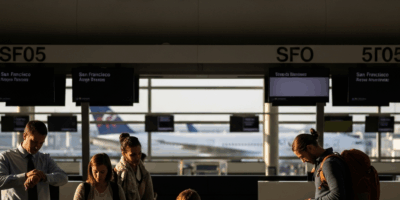
Ticketing counter (2-3 hours before departure) — This is moderate success territory. The counter agent has more power than you’d think, and they’re less burned out than gate agents. The tradeoff: it’s slower, there might be a line, and if the flight is already boarding, they’ll send you to the gate anyway. But catch them during the quiet period before boarding starts, and they can often help. Load factor is everything here. On a flight that’s 60 percent full, they can probably move you. On a flight that’s 92 percent full, they’ll smile and say everything’s assigned. They’re not lying — there genuinely aren’t extras.
At the gate (during boarding) — This is your last stand. Success rate drops significantly, but it’s not zero. You’ll be competing for the agent’s attention while they’re actively boarding 150 people. The window is maybe 15 minutes between when they start boarding and when they close the door. If you see your boarding group called and you’re unhappy with your seat, go talk to them then. Don’t wait until they call final boarding. At that point they’re operating on a skeleton crew and moving to push-back, and your request becomes an operational obstacle.
Load factor — that’s industry speak for how full the plane is — determines everything. A regional 70-seat flight at 68 passengers has almost no flexibility. A wide-body with 300 seats at 240 passengers has some. Ask the agent flat out if the flight is overbooked or oversold. They’ll tell you. If it’s oversold, asking for a seat change is actually low on their priority list. They’re focused on whether anyone volunteers to take a later flight.
How to ask without annoying gate agents
This is where I’ve watched people fail immediately. They approach angry. They act entitled. They make it about the airline’s failure to assign properly.
Here’s what works: “Hi, I know you’re busy, but I’m wondering if there’s any chance someone’s available to help me move seats before we board?” That’s it. You’ve done several things right in that one sentence. You acknowledge their workload. You’re asking if it’s possible, not demanding it. You’re giving them an out. And you’re asking before boarding starts, which respects their timeline.
What not to say:
- “Your seat assignment system is broken.” They know. They don’t care. It’s not their problem to fix right now.
- “I paid for this ticket.” So did everyone else.
- “I have status with [airline].” They’ll check if you do. Don’t announce it like a threat.
- “I absolutely cannot sit in a middle seat.” People do this all day. You can. You won’t like it, but you can.
Be specific about your problem: “I’m in 22D and that’s right behind the bathroom — would there be anything available on the aisle?” This tells them exactly what you need and keeps the request focused.
Politeness has measurable impact here. Gate agents move thousands of people. They can be grumpy. They can be sympathetic. But they’re vastly more likely to help someone who’s respectful than someone who acts like the airline personally wronged them. They have the power. Use that to your advantage.
Why airlines say no and what you can do about it
Airlines deny seat change requests for specific reasons, not arbitrary ones. Understanding why helps you know when to push and when to accept it.
Premium cabin protection — Airlines reserve premium economy and business class seats even if they’re empty. They’d rather fly them empty than give them to economy passengers. This protects pricing and revenue management. Don’t fight this. You won’t win.
Crew scheduling — Some seats are held for crew positioning — getting the flight crew to where they need to be for the next leg. These aren’t flexible.
Oversold flights — If more people bought seats than the plane has, there literally isn’t an available seat. The agent isn’t being difficult. The seat doesn’t exist.
Operational reasons — Exit rows need able-bodied adults. Seats near emergency equipment can’t be blocked. Seats needed for equipment or extra crew can’t be given away.
Airline status can help, but it’s not a magic wand. If you have elite status, mention it casually during your request. It doesn’t hurt. But agent discretion is the real gatekeeper, and that comes down to whether they like you and whether seats actually exist.
When should you offer to pay? Only if the agent offers upgrades. Asking “Can I pay to move to premium economy?” is reasonable. Offering $50 cash to an agent is not. It doesn’t work and it looks bad.
Backup plans if seat change is denied
Sometimes the answer is no. Your move then depends on how much you care about the specific flight.
Swap with a passenger — Find someone in a seat you want and offer to trade. This works surprisingly often. Walk through the gate area 10 minutes before boarding and briefly explain: “I’m in 28D which is right behind the bathroom — if anyone wants to switch to the aisle seat, I’m happy to trade.” One in ten people will bite. Last month I got moved to a window seat doing exactly this.
Upgrade to premium economy — If the airline offers a paid upgrade at the gate (which they sometimes announce), and it’s within your budget, do it. You’ll get a better seat, extra legroom, and a snack. The price is usually $50–150 depending on the route.
Accept the seat for this flight and plan better next time — If nothing works, you’re flying in that middle seat. It sucks for a few hours. Bring noise-canceling headphones. Download a show. Have a drink. Move on. Next time, pay for seat selection during booking if it matters that much to you, or pick your flights based on time-of-day. Less full flights tend to be early morning or late evening.
Positioning for the next flight — If you’re not in a rush, asking about volunteer opportunities might get you on a later flight with a better seat. This only works if you have flexibility and the agent thinks you’re easy to deal with. It’s a long shot, but it exists.
The reality is this: seat changes at the airport are possible, but they’re not guaranteed. Your best odds come from asking early, being specific, and respecting the person you’re asking. Everything else is luck and load factor.
“`


Stay in the loop
Get the latest airport guides world updates delivered to your inbox.