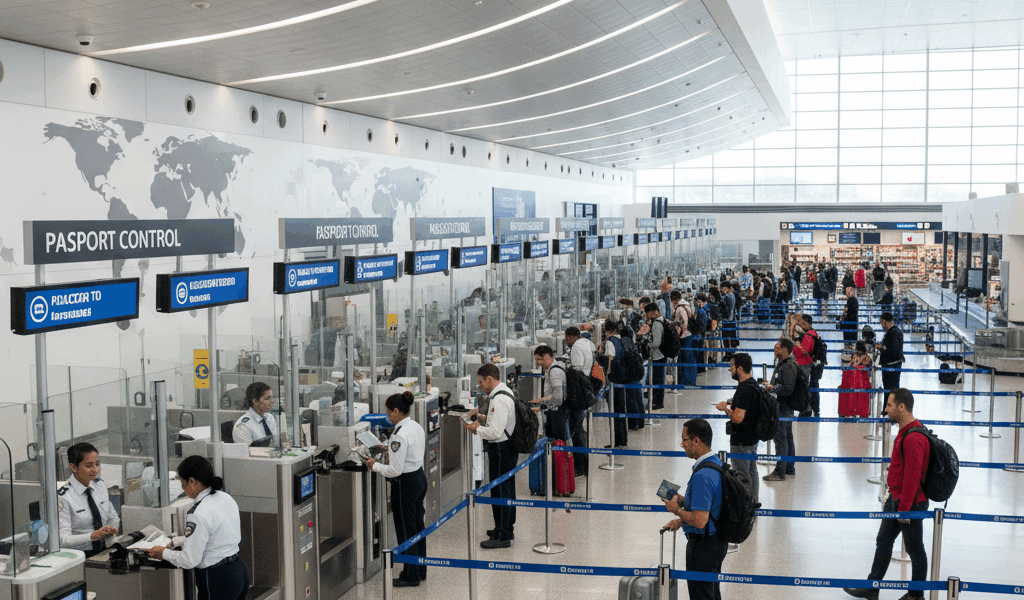
Airport operations have gotten complicated with all the changes and updates flying around. As someone with extensive travel experience, I learned everything there is to know about this topic. Today, I will share it all with you.
Alright, let me be real with you – international travel is more complicated than domestic. It just is. But once you understand how the process works, it becomes way less stressful. I have done this enough times that the steps are basically automatic now, and I want to share what I wish someone had told me before my first international flight.
Getting to the Airport
Airlines say three hours before international departures. And honestly? They are not wrong. I know it sounds excessive, but check-in takes longer, security can be thorough, and if anything goes wrong, you have got buffer time. I have learned this lesson the hard way with an almost-missed flight to London.
Most big airports separate international terminals from domestic. Check your airline terminal assignment before you get there – major hubs like JFK and LAX spread international operations across multiple terminals. You do not want to show up at the wrong one.
Check-In Process
International check-in is more involved than domestic. They scan your passport, verify visas, check if you need any electronic travel authorization. Some destinations are pickier than others about this stuff.
Baggage allowances vary wildly on international routes. Long-haul flights usually include checked bags; budget carriers charge for everything. Check your allowance before you pack or you will be that person repacking at the counter. Not fun.
Getting Through Security
TSA procedures are basically the same whether you are flying domestic or international from a US airport. Same liquid rules, same laptop-out-of-bag routine. But here is the thing – some destinations add extra screening.
Flights to places like the UK or Israel sometimes include additional questioning or baggage checks. This usually happens at the gate, not TSA. Just be patient and answer honestly. It is routine for certain routes.
TSA Checkpoint Basics
You know the drill – liquids in 3.4 oz containers, clear quart-sized bag. Electronics bigger than phones come out. If you have TSA PreCheck, you skip most of this hassle. Totally worth the application process if you fly regularly.
Exit Procedures (Or Lack Thereof)
Here is something that surprises first-timers: the US does not have formal exit immigration. No booth to visit, no stamp out. Airlines collect your passport info at check-in and that is it. You just walk to your gate.
But before you get excited, make sure you have what you need for entry at your destination. Every country has different requirements and they change constantly. Check embassy websites before you go.
ESTA and Similar Programs
If you are a US citizen going to Visa Waiver countries like the UK, Japan, or most of Europe, you usually do not need a visa. But more places now require electronic travel authorization – basically an online registration.
Apply for ESTA, ETIAS, or whatever your destination requires at least 72 hours before travel. Most go through quickly, but delays happen. Do not wait until the last minute.
Inside International Terminals
Once you are through security, international terminals usually have more stuff than domestic. Duty-free shopping, currency exchange, nicer lounges. Gates typically open 1-2 hours before departure; boarding starts 45-60 minutes out.
Duty-Free Shopping
Duty-free can save you money on alcohol, tobacco, and perfume. Other stuff? Check prices on your phone first. I have seen electronics and fashion items priced higher than regular retail. The no-tax thing only helps on certain categories.
Also know your destination import limits. Most countries cap alcohol at 1-2 liters and tobacco at one carton. Go over and you pay customs duties anyway.
Currency Exchange
Airport exchange rates are terrible. Like, noticeably terrible. You will get 5-10% worse than bank rates plus fees. Use ATMs at your destination instead, or get a credit card with no foreign transaction fees.
If you really want local currency before you land, order from your bank ahead of time. Way better rates than airport kiosks.
Coming Back to the US
This is where things slow down. Every single person entering the US goes through Customs and Border Protection. Lines can be brutal depending on when you arrive and where.
Immigration Lines
US citizens and permanent residents have separate lines from visitors. Still can take a while. Mobile Passport Control helps – free app, works at many airports. Global Entry is even better but costs money and requires an interview.
Customs Declaration
You must declare purchases over 800 dollars. Food items, agricultural stuff, large cash amounts – all need declaration regardless of value. Getting caught not declaring something is worse than just being honest about it.
Connecting Through International Airports
Layovers at international hubs add complexity. Minimum connection times vary wildly – one hour at efficient airports, three hours at congested ones.
Transit Visas
Some countries require transit visas even if you are not leaving the airport. China and Russia are notorious for this. Check requirements before booking connections that route through certain countries.
The US requires everyone to clear immigration even if you are just connecting onward. Your bags get inspected, you go through the whole process. Factor this into connection times.
A Few Hard-Earned Tips
Print your important documents. Phone batteries die, wifi fails. Paper works when everything else does not.
Photograph your passport and store the image separately from the actual passport. If it gets lost, having copies speeds up emergency replacement.
Register your trip with the State Department STEP program. Free service, provides safety alerts, helps locate you if something goes wrong abroad.
Download offline maps before you leave. International data is expensive and airport wifi is often unreliable.
International travel has a lot of moving parts, but most of it becomes routine once you have done it a few times. Plan ahead, give yourself time, and you will be fine.



Stay in the loop
Get the latest airport guides world updates delivered to your inbox.