Airport operations have gotten complicated with all the changes and updates flying around. As someone with extensive travel experience, I learned everything there is to know about this topic. Today, I will share it all with you.
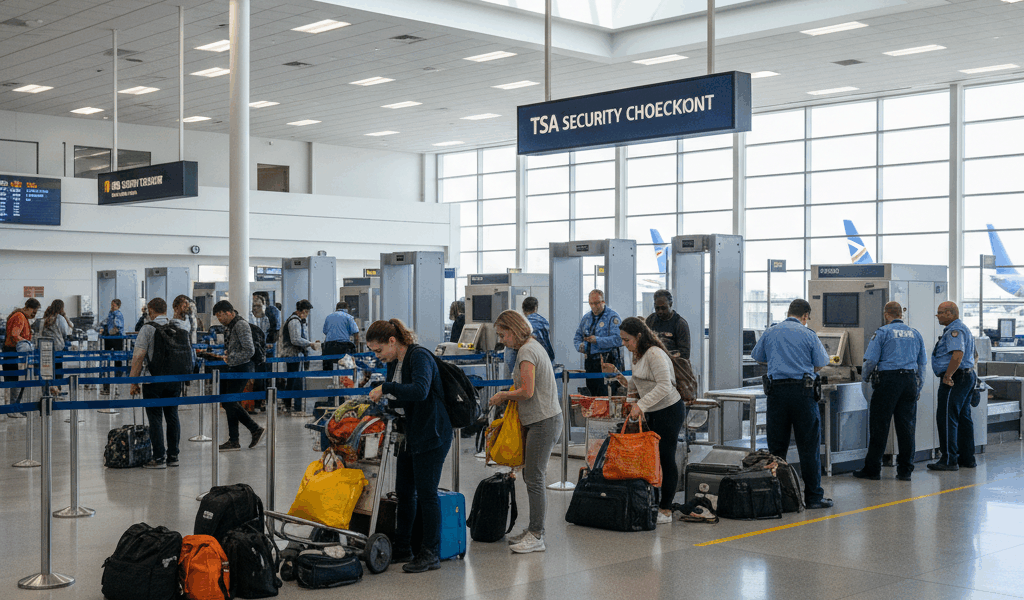
I’ve stood in enough TSA lines to know exactly what slows them down. The guy who forgot coins in his pocket. The family repacking liquids at the conveyor belt. The person who didn’t know laptops come out of bags.
Security doesn’t have to be painful. Here’s how to get through faster.
The Screening Process
You show ID and boarding pass. You put stuff in bins. You walk through a scanner. Someone might pat you down or swab your hands. You collect your stuff.
That’s it. The complications come from not being ready for each step.
Liquids: The 3-1-1 Rule
Containers must be 3.4 ounces or smaller. Everything fits in one quart-sized clear bag. One bag per person.
Pack this bag somewhere accessible. Digging through your carry-on at the X-ray machine while a line forms behind you is the fastest way to make enemies.

If you’re unsure whether something counts as a liquid, it probably does. Toothpaste, gel deodorant, peanut butter (yes really), yogurt. When in doubt, put it in the bag or leave it home.
Electronics
Laptops come out. Tablets usually come out. Phones can stay in your bag most of the time.
TSA-friendly laptop bags let you leave the laptop inside because they open flat. Worth it if you travel often. Otherwise, just accept you’re pulling the laptop out.
Keep charging cables somewhat organized. A tangled mess of wires triggers extra scrutiny because X-ray operators can’t see through the jumble.
What to Wear
Shoes that slip on and off quickly. Minimal metal. Empty pockets before you get in line.
Specific things that slow people down:
- Boots with laces and buckles
- Belt with large metal buckle
- Watches, rings, bracelets that trigger the detector
- Jackets with metal zippers everywhere
- Anything in pockets (coins, keys, wallet, phone)
I travel in slip-on shoes and a jacket with easy pockets. Everything goes in my bag before I reach the ID check. Nothing to remove, nothing to forget.
TSA PreCheck
$78 for five years. Shorter lines, keep your shoes on, keep your laptop in the bag, keep your liquids packed.
Apply online, do an in-person interview (takes 10 minutes), wait for approval. Many credit cards reimburse the fee as a travel benefit.
PreCheck isn’t available at every airport or every checkpoint, but it’s at most major ones. Even when PreCheck lines look similar to regular lines, they move faster because everyone’s prepared.
Global Entry
$100 for five years, includes PreCheck benefits plus faster customs when returning from international trips. If you travel internationally even once a year, the math works out.
Same application process but the interview happens at a Global Entry enrollment center, often at major airports. Some people schedule interviews during layovers.
CLEAR
$189/year. Uses biometrics (fingerprints and eyes) to verify identity, skipping the ID check line. You still go through regular screening afterward unless you also have PreCheck.
CLEAR + PreCheck is the fastest combination if you’re at an airport that has both. But CLEAR alone, without PreCheck, just moves you to the front of regular screening. Sometimes worth it, sometimes not.
When to Arrive
Domestic flights: 90 minutes before departure for most airports. Add 30 minutes during holidays and summer weekends.
International flights: 2-3 hours before departure. Immigration and customs lines vary wildly by time of day.
Early morning flights at major airports? People underestimate how long everything takes when bleary-eyed. Give yourself more buffer than you think you need.
Mistakes That Slow Everyone Down
- Not having ID and boarding pass ready at the document check
- Leaving stuff in pockets
- Forgetting about that water bottle in your bag
- Wearing complicated shoes
- Packing prohibited items (pocket knives are shockingly common)
- Not knowing which items go in bins
Half of security delays come from people who fly twice a year and forgot how everything works. The other half come from people who should know better but didn’t prepare.
Special Situations
Medical devices, mobility aids, or anything else unusual: tell TSA before screening starts. They have procedures for everything. You can call TSA Cares ahead of time if you’re nervous about how something will be handled.
Traveling with kids: TSA is generally more patient, but bring your own patience too. Strollers and car seats go through the X-ray. Kids under 12 don’t have to remove shoes.
The Summary
Know the rules. Pack smart. Dress simple. Empty pockets before the line. Have ID ready. Get PreCheck if you fly more than a couple times a year.
Security is annoying but predictable. The people who breeze through aren’t lucky. They’re just prepared.


Stay in the loop
Get the latest airport guides world updates delivered to your inbox.