Airport operations have gotten complicated with all the changes and updates flying around. As someone with extensive travel experience, I learned everything there is to know about this topic. Today, I will share it all with you.
Alright, let’s talk airport security. Whether you’re a nervous first-timer or someone who flies constantly, understanding how TSA works can turn a stressful morning into a smooth breeze-through. I’ve learned most of this the hard way – standing in the wrong line, forgetting liquids in my bag, you name it. So here’s everything I wish someone had told me.

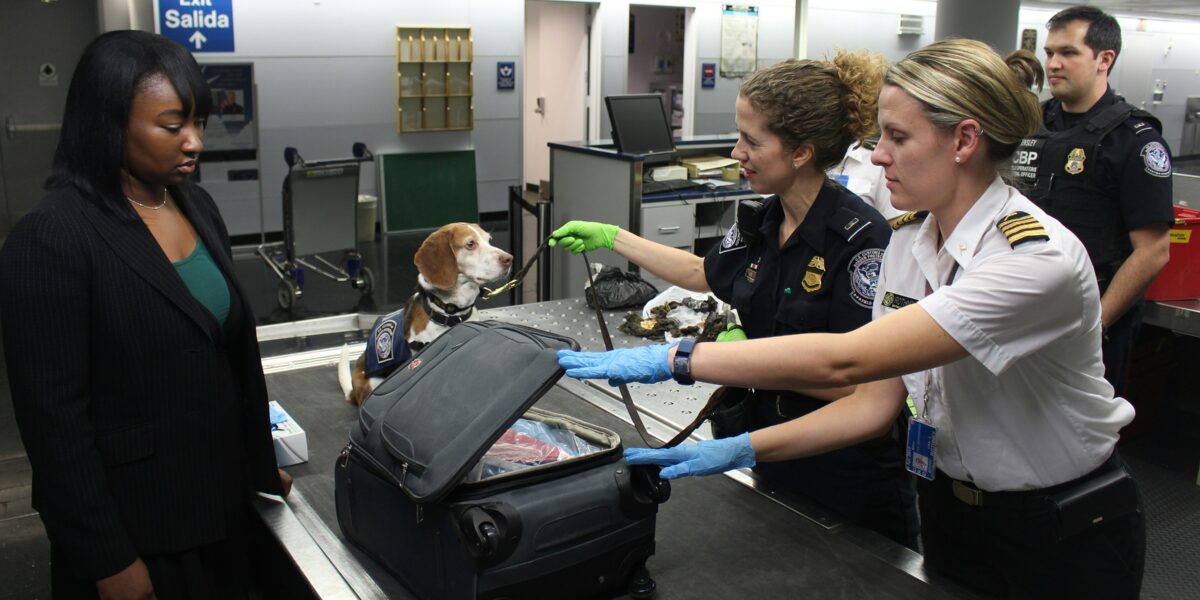
So What Actually Happens at Security?
TSA screens something like 2.5 million people every single day across 450+ airports. That’s a lot of shoes in bins, if you think about it. The whole point? Keep dangerous stuff off planes while moving everyone through reasonably fast.
Here’s the basic flow:
- ID check: Someone looks at your boarding pass and ID, makes sure you’re you
- X-ray machines: Your bags get scanned
- Body screening: You walk through a metal detector or that full-body scanner thing
- Extra screening: Sometimes they need a closer look at something
Honestly? Once you’ve done it a few times, it becomes muscle memory.
What to Take Off (and What Stays Put)
In regular security lanes, you’re stripping down a bit:
Always Remove These
- Shoes: Yes, even those fancy boots (unless you’ve got PreCheck)
- Belts: Metal buckles set off alarms every time
- Laptops: Out of the bag, into their own bin
- Big electronics: Tablets, e-readers, gaming devices
- Your liquids bag: That quart-size ziploc situation
- Jackets: Anything bulky goes through the X-ray
These Can Stay
- Phone (usually – depends on the scanner type)
- Wallet and keys
- Most jewelry unless it’s chunky metal
- Snacks (yes, really)
- Books and magazines
The 3-1-1 Rule Explained (Finally)
This trips people up constantly. Here’s what it actually means:
- 3: Each container has to be 3.4 ounces (100ml) or smaller
- 1: Everything fits in ONE quart-sized clear bag
- 1: One bag per person
And yes, toothpaste counts. So does that fancy face cream. Peanut butter? Liquid. Hummus? Liquid. I learned the peanut butter thing at security in Denver – that was an expensive jar to lose.
Exceptions That Actually Work
Some stuff gets a pass:
- Medications: Bring what you need, just tell them about it
- Baby formula and breast milk: No limit on quantity
- Juice for infants: If you’ve got a baby with you
- Medical necessities: Including gel ice packs for meds
Just speak up and declare these items. They might get extra screening but they won’t take them.
What’s Actually Banned
Some obvious ones, some surprises:
Nowhere Near a Plane – Ever
- Explosives (duh)
- Self-defense sprays over 4 oz
- Realistic fake weapons
- Pool chemicals
Not in Carry-On (But Fine in Checked Bags)
- Sharp stuff: Knives, box cutters, long scissors
- Sports equipment: Baseball bats, golf clubs, hockey sticks
- Tools: Hammers, long screwdrivers, drills
- Full-size toiletries: That giant shampoo bottle
Stuff That’s Surprisingly Allowed
- Safety razors (blade removed)
- Small scissors under 4 inches
- Knitting needles – seriously
- Disposable razors
- Nail clippers
Is TSA PreCheck Worth $78?
Short answer: if you fly more than twice a year, yes. Here’s what you get:
PreCheck Perks
- Keep your shoes on: Game changer in winter
- Laptop stays packed: No digging through your bag
- Skip the liquids bag ritual: Just leave it in there
- Light jackets stay on: Less stripping down
- Shorter lines: With other frequent travelers who know the drill
Getting It
- Apply online at tsa.gov/precheck
- Book a quick appointment at an enrollment center
- Show up with your documents for 10 minutes
- Get your Known Traveler Number in a few days
- Add it to every flight booking
The $78 covers five years. Do the math – it’s basically nothing per flight.
CLEAR – The Fancy Option
CLEAR uses your fingerprints and eyes to verify who you are. At $189/year it’s pricier, but you skip the ID check line entirely. Go straight to physical screening. Works at 50+ airports.
The power move? Get both CLEAR and PreCheck. Skip the ID line with CLEAR, then get the easy screening with PreCheck. It’s the closest thing to a VIP airport experience without a private jet.
When Are the Lines Worst?
Avoid If You Can
- Monday and Friday mornings: Business travelers everywhere
- Sunday evenings: Everyone heading home
- Holidays: Thanksgiving, Christmas, spring break madness
- 6-8 AM and 4-6 PM: Rush hours at most airports
Sweet Spot Times
- Tuesday and Wednesday: Lightest travel days
- Super early (4-5 AM): Right when TSA opens
- Late morning: Between the rushes
- After 8 PM: Fewer flights, fewer people
How Early to Arrive
- Domestic, no checked bags: 90 minutes
- Domestic, checking bags: 2 hours
- International: 3 hours
- Peak travel days: Add 30-60 minutes to all of the above
Special Situations
Flying with Kids
Kids under 12 keep their shoes on. Parents walk through with them. Strollers get X-rayed separately. Baby food and milk don’t follow the 3-1-1 rule – bring what you need.
Medical Conditions
TSA Cares is a thing – it’s a helpline for travelers with disabilities. You can request private screening. Medical devices can be checked visually instead of X-rayed if you ask. Got implants or prosthetics? Give the agent a heads up before stepping through.
Bringing Medication
Keep prescriptions in original bottles if you can. Declare anything over 3.4 oz. Bring documentation for controlled substances. Refrigerated meds can travel with gel ice packs.
Mistakes That’ll Slow You Down
I’ve made most of these myself:
- Burying your laptop: Pack it on top or in an easy-access sleeve
- Forgetting pocket stuff: Empty everything BEFORE you reach the scanner
- Half-empty big bottles: That 6 oz bottle is still too big, even if it’s mostly empty
- Packing last minute: Rushing means mistakes
- Complicated outfits: Lace-up boots, tons of jewelry, layers on layers
- Digging for your ID: Have it ready before you reach the agent
What If You Set Off an Alarm?
Don’t panic. Happens all the time. Usually it’s nothing:
- Metal detector beeps: Probably a forgotten coin or belt buckle
- Body scanner flags something: Random check or something it couldn’t identify
- Bag gets pulled: Dense items, electronics, or something looked weird
You’ll get a quick pat-down or they’ll swab your hands. Stay calm, cooperate, and you’ll be walking to your gate in a few minutes.
Flying Internationally? Security Varies
- Europe: Pretty similar to TSA, extra passport checks sometimes
- Asia: Often stricter – some airports X-ray bags twice
- Middle East: Thorough screening and interviews are normal
- Latin America: Varies a lot – major hubs are thorough
Coming back to the US from overseas, you’ll clear security before boarding your US-bound flight.
Bottom Line
Airport security doesn’t have to be a nightmare. Pack smart, show up with time to spare, know what to expect. Get PreCheck if you fly regularly – seriously, it’s worth it.
The TSA agents process millions of people safely every day. Your job is simple: be ready, be patient, don’t be difficult. Do that and you’ll be at your gate with time for an overpriced coffee.


Stay in the loop
Get the latest airport guides world updates delivered to your inbox.