
Why Customs Officers Flag Passports in the First Place
Passport flagging has gotten complicated with all the misinformation flying around.
But what is a passport flag, really? In essence, it’s a system prompt telling an officer to take a closer look. But it’s much more than that — it’s a routine data-matching process that catches inconsistencies most travelers never even created intentionally.
Entry frequency is probably the most overlooked trigger. Cross the same border four times in three months and a secondary check runs automatically. Not because you look suspicious. Because the system is designed that way. Business travelers hit this constantly and most of them never figure out why.
Visa stamps tell a story. Sometimes that story has a missing chapter. A departed-but-not-stamped-out situation — where the system recorded your entry into Country A but shows zero record of you leaving — raises an immediate flag. Airport chaos causes this. So do manual processing delays, data entry backlogs in smaller border systems. Your passport gets held until officers cross-reference your entry into Country B against the timestamp from A. That’s the whole investigation. Usually takes under ten minutes.
Damaged bio pages are another trigger that surprises people. A water-warped passport or one where the photo laminate is visibly peeling goes into document integrity review. Officers need to confirm the data layer is still readable and that nothing’s been tampered with. It’s fifteen minutes of scanning, not an interrogation.
Name mismatches hit harder than most people expect. “Robert” on your passport and “Bob” on your ticket sounds trivial. It isn’t — airlines are required to report those discrepancies. Which means your flag is already sitting in the system before your plane lands. Don’t make my mistake. Book everything exactly as your passport reads. Every single time.
You could also catch a secondary watchlist match — which sounds terrifying and almost never is. Your name matches someone else in a database. You share initials with a person of interest. They verify you’re you, and you walk. Probably should have opened with this section, honestly, because it’s the most common scenario and also the least serious.
What Actually Happens After Your Passport Gets Flagged
Secondary screening follows a predictable sequence. Knowing the steps in advance takes most of the anxiety out of it.
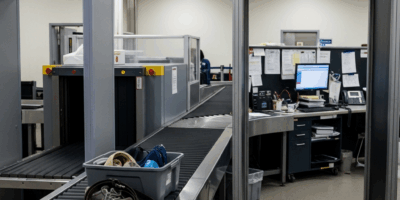
An officer approaches you directly, or your name gets called over the paging system. You’re directed to a secondary screening area — usually a cordoned section of the customs hall or a separate room with plastic chairs and fluorescent lighting. You wait. This is normal. You are not being detained in any legal sense at this stage.
The questions come next. Why are you visiting? How long? Where are you staying? Who’s traveling with you? These are scripted questions asked thousands of times per shift. Your answers get cross-referenced against your ticket, your baggage declaration, and your stated travel purpose. Nothing about this process is improvised.
Then comes the document examination. The officer checks page condition, stamp clarity, watermarks, security thread, UV-reactive ink — the full suite of document integrity markers. They’ll scan it. They’ll pull your departure records from your last trip and match them against your current arrival record. Five to ten minutes, typically.
If your flag came from document damage or a name mismatch, resolution happens right here. Photo comparison, driver’s license check, ticket verification. Everything matches, you’re cleared. The full process — from being pulled aside to walking into the arrivals hall — runs between fifteen and forty-five minutes for most travelers. That’s it.
That’s what makes secondary screening endearing to frequent travelers who’ve been through it: once you’ve done it once, you realize it’s just paperwork moving through a room.
What to Say and Do While You Wait
Your behavior during secondary screening affects how fast things move. I’ve watched this play out across dozens of airports. The pattern is consistent.
Stay calm — at least if you want this to go smoothly. Genuine calm reads differently than performed calm. Officers process real travelers all day. Anxiety that spikes during routine questions slows things down because it prompts follow-up questions.
Answer directly. Answer completely. Stop there. An officer asks “What’s the purpose of your visit?” and the correct answer is “Business meeting with our Singapore office.” Not a two-minute explanation covering the whole itinerary, potential extensions, a college friend you’re seeing, and your general feelings about Southeast Asia. The longer answer creates more questions. Every time.
Keep documents accessible. Passport, ticket, ID, printed itinerary, hotel confirmation numbers — all within arm’s reach. I’m apparently a compulsive folder-organizer and a cheap AmazonBasics document pouch works for me while loose papers in a backpack pocket never do. Have the confirmation numbers ready before you sit down.
Do not joke about security. I mean this with zero qualification. Jokes about bombs, contraband, anything security-adjacent — they don’t land in customs halls. Officers hear dozens of attempted clever remarks every shift. The jokes never help. They sometimes hurt.
If you’re asked to open baggage, cooperate without resistance. You can observe the search. Do it visibly. Your demeanor here matters for the timeline in ways that are hard to overstate.
Ask for clarification if you genuinely don’t understand a question. “I want to make sure I answer correctly — are you asking about this trip or my residency status?” That’s a reasonable thing to say. It signals cooperation, not evasion.
When to Ask for Help or Know Your Rights
Most flags resolve inside the secondary screening room. Some don’t. Know the difference.
Extended detention — past the two-hour mark — moves beyond routine processing. At that point, you have the right to know why you’re being held and what happens next. Ask directly. “Can you explain what’s being investigated?” is a straightforward, legitimate question. Ask it without apology.
Device searches are complicated. In the United States, border officers carry broad authority to examine phones and laptops without a warrant — that authority exists at the border in ways it doesn’t exist elsewhere. You can ask whether it’s mandatory. The answer is usually yes. Other jurisdictions restrict this more tightly. Worth knowing before you travel, not after.
Questions about cash and finances — why you’re carrying $8,000, why your bank records show a large recent withdrawal, why you hold cryptocurrency — are investigative but legal. Answer truthfully. Bring documentation if you’re traveling with substantial money. Bank statements, business records, or inheritance paperwork. Have it ready.
Foreign nationals held beyond a few hours have the right to request consular notification — meaning your home country’s embassy gets informed. Use this right if questions escalate past routine screening or if you feel genuinely uncomfortable with the direction things are moving.
Save an immigration attorney’s number before you travel if you’re crossing into a jurisdiction where you’ve had prior issues. Questions about overstays, work authorization violations, or criminal matters cross into territory where you want legal counsel, not improvisation.
How to Reduce the Chances of It Happening Again
Once you’ve been flagged, the goal shifts. Here’s how to reduce the chances it happens again.
Get a new passport if yours shows damage. US State Department replacement runs $130 for adults. Standard processing is six to twelve weeks. Expedited — fourteen business days — costs an extra $60. Worth it for frequent travelers. A clean document moves through secondary faster than a battered one, every time.
Check your travel record. The State Department allows you to formally request your international travel history. If you exited a country and the exit went unrecorded, request a correction. That removes a future flag before it happens. So, without further ado — request it, fix it, move on.
Print your itinerary. Hotel confirmations, return ticket, confirmation numbers. Keep them in a slim document folder in your carry-on. You’ll almost never need them. But when a customs officer asks “Where exactly will you be staying on nights three through seven?” having the printout ends the question in thirty seconds instead of five minutes.
Enroll in Global Entry. $100 for five years. Dedicated lanes, biometric verification, pre-approved status. If you cross international borders more than twice a year, the return on that $100 is immediate. The application process takes a few weeks and includes an in-person interview at an enrollment center — schedule it at least two months before your next trip.
Match your name across every travel document. Ticket, passport, airline reservation. Identical. No abbreviations, no nicknames, no shortened versions. “William” everywhere. Never “Bill.” Frustratingly specific advice that saves a lot of time at the border.
Chase missing exit stamps before you leave the airport. An airline that doesn’t stamp you out creates a future flag. That was the lesson I learned in Frankfurt in 2019 standing at a departure gate wondering why I’d been pulled aside. Don’t make my mistake.
Passport flagging happens to organized, well-prepared travelers with clean records. It’s manageable. You answer straightforward questions, show your documents, and walk into arrivals. Most people are cleared within an hour. Knowing the sequence ahead of time removes the fear — and removing the fear is what lets you move through the system quickly.

Stay in the loop
Get the latest airport guides world updates delivered to your inbox.